A Deep Dive into the Versatility of PEEK as an Engineering Plastic for Machining
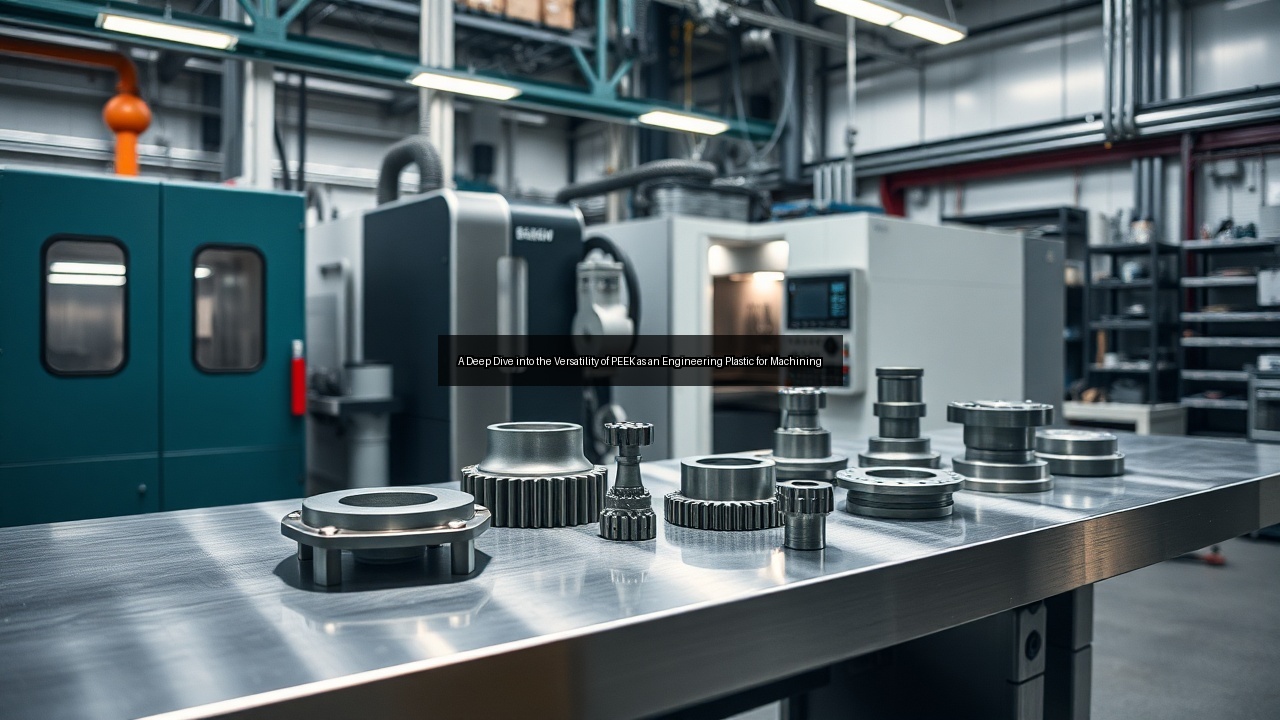
Understanding PEEK: The Engineering Plastic of Choice
What is Polyether Ether Ketone (PEEK)?
Polyether ether ketone stands out as a high-performance engineering plastic that delivers exceptional strength and stability under demanding conditions. Manufacturers produce PEEK through polymerization processes that create a semi-crystalline structure resistant to heat and chemicals. This material machines cleanly into complex shapes, making it ideal for precision components. Engineers often specify PEEK when standard plastics fail in aerospace, medical, and automotive settings. Its molecular backbone provides inherent flame resistance and low moisture absorption, which keeps dimensions stable during use. Companies machine PEEK parts for applications requiring long-term reliability without degradation. The polymer also withstands repeated sterilization cycles, supporting its role in surgical tools and implants.
Key Properties of PEEK
PEEK exhibits tensile strength above 90 MPa and maintains integrity at temperatures up to 250°C continuously. Its low coefficient of friction reduces wear when paired with metal counterparts in moving assemblies. The plastic resists attack from acids, bases, and organic solvents that destroy lesser materials. Machined PEEK parts retain tight tolerances because the material shows minimal creep under load. Electrical insulation properties remain consistent across wide frequency ranges. Impact resistance stays high even at cryogenic temperatures, expanding design options for harsh environments. These traits allow CNC machined components to replace metals in weight-sensitive valve bodies and brackets.
Applications of PEEK in Various Industries
Automotive teams machine PEEK into gears and seals that endure engine bay heat without lubrication. Medical device firms produce PEEK machined parts for spinal cages and dental fixtures that integrate safely with bone. Aerospace suppliers rely on the plastic for brackets and insulators that cut weight while meeting fire standards. Oil and gas operators specify machined PEEK parts for downhole tools exposed to sour gases and pressures exceeding 10,000 psi. Semiconductor equipment uses the material in wafer handling fixtures because it sheds few particles. Food processing lines incorporate PEEK valves and scrapers that resist cleaning chemicals and maintain hygiene.
The Machining Process: Transforming PEEK into Precision Parts
Overview of PEEK Machining Techniques
PEEK machining begins with selecting the correct grade, either unfilled or reinforced with glass or carbon fibers. Turning operations produce cylindrical valve seats and bushings from bar stock at moderate speeds to avoid melting. Drilling requires sharp carbide bits and coolant to evacuate chips and control heat buildup. Bandsawing creates blanks for further processing with minimal material waste. Each step demands fixtures that secure the workpiece without distortion. Proper technique yields PEEK machined parts with clean edges and accurate features ready for assembly.
CNC Machining and Its Advantages for PEEK
CNC machining delivers repeatable accuracy when producing PEEK machined parts in both prototypes and production runs. Multi-axis centers perform turning, drilling, and threading in one setup, reducing handling errors. The process maintains tight control over cutting parameters that protect the material from thermal damage. CNC programs allow quick changes between part geometries without new tooling. Manufacturers achieve consistent quality across batches of machined PEEK parts for critical systems. This flexibility lowers lead times compared with casting or molding approaches.
CNC Milling: A Focus on PEEK Parts
CNC milling excels at creating flat surfaces, pockets, and contours in PEEK plates and blocks. High-speed spindles paired with sharp end mills remove material efficiently while preserving surface integrity. Fixture design prevents vibration that could cause chatter marks on finished PEEK machined parts. Trochoidal tool paths distribute heat evenly and extend cutter life during deep pocket operations. Five-axis milling machines complex valve manifolds from solid stock in fewer setups. The resulting components meet demanding geometric requirements for fluid handling systems.
Quality and Performance: Ensuring Optimal PEEK Machined Parts
Surface Finish Considerations for PEEK
Surface finish on PEEK machined parts directly affects sealing performance and wear rates. Polished finishes below 0.8 µm Ra reduce friction in dynamic seals and valve stems. Proper feed rates and sharp tooling prevent smearing that traps contaminants. Post-machining processes like vapor honing further refine surfaces without altering dimensions. Engineers specify finish requirements based on application, such as medical implants needing ultra-smooth textures. Consistent finish quality across machined PEEK parts ensures reliable function in assembled products.
Tolerance Levels in PEEK Machined Parts
PEEK tolerates machining to ±0.025 mm on critical features when operators control temperature and tool deflection. Shrinkage remains predictable, allowing designers to compensate during programming. Precision fixtures locate parts accurately for secondary operations that hold tight tolerance on hole patterns. Measurement with CMM equipment verifies that each PEEK machined part meets drawing specifications before shipment. This capability supports aerospace and medical customers who demand statistical process control on every batch.
Tool Wear and Its Impact on Machining PEEK
Tool wear accelerates when machining PEEK without optimized parameters, leading to poor finish and dimensional drift. Carbide tools last longer than high-speed steel when cutting reinforced grades that contain abrasive fillers. Regular inspection of cutting edges prevents sudden failure that scrapes expensive stock. Coolant delivery through the tool reduces heat at the interface and slows flank wear. Monitoring tool life data helps manufacturers schedule changes before tolerance on PEEK machined parts drifts out of spec. Proper management keeps production costs predictable and quality high.
Cost Analysis: The Economics of Machining PEEK
Comparing PEEK to Other Engineering Plastics
PEEK commands higher material cost than nylon or acetal, yet its performance justifies the premium in load-bearing applications. Machined PEEK parts outlast competing plastics in chemical exposure, reducing replacement frequency. Zinc components weigh more and corrode faster, making PEEK the lighter, more durable choice for valves and housings. Injection molded alternatives require expensive tooling that only amortizes over very high volumes. CNC machining of PEEK therefore offers better economics for low-to-medium runs where design changes remain common.
Factors Influencing the Cost of Machining PEEK
Material grade, part complexity, and batch size drive the cost of producing PEEK machined parts. Reinforced grades increase tool consumption and extend cycle times. Complex geometries demand additional setups and inspection steps that raise labor hours. Fixture design adds upfront expense but pays dividends through faster throughput on repeat orders. Volume discounts on rod and plate stock lower per-piece material cost for larger programs. Efficient programming and nesting minimize scrap and improve overall economics.
Cost-Effectiveness of PEEK in Long-Term Applications
PEEK machined parts deliver lower total ownership cost when downtime penalties exceed initial purchase price. The plastic eliminates corrosion-related failures common in zinc or aluminum alternatives. Reduced maintenance intervals and extended service life offset higher upfront machining expenses. Medical and aerospace customers value the reliability that prevents costly recalls or mission failures. Lifecycle analysis consistently favors PEEK over cheaper plastics that require frequent replacement in aggressive environments.
Future Trends: Innovations in PEEK Machining
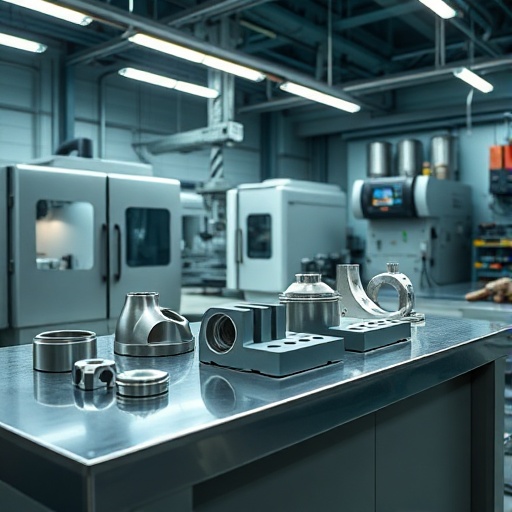
Advancements in CNC Technology for PEEK
Modern CNC controllers now integrate adaptive feed rate adjustments that protect PEEK from overheating during variable cutting depths. High-pressure coolant systems paired with through-spindle delivery keep temperatures low and chip evacuation consistent. Simulation software predicts deflection and optimizes tool paths before the first chip leaves the machine. These improvements raise yields on complex PEEK machined parts while shortening cycle times. Shops adopting the latest equipment gain competitive edges in precision markets.
The Role of Injection Molding in PEEK Manufacturing
Injection molded PEEK components serve high-volume needs where geometry stays fixed for years. Hybrid approaches combine CNC machining of critical features onto injection molded blanks to balance cost and precision. Overmolding PEEK onto metal inserts creates integrated assemblies that reduce part count. Process controls now achieve tighter tolerance on molded parts, narrowing the gap with fully machined versions. Manufacturers evaluate both routes when planning new PEEK machined parts programs.
Sustainable Practices in PEEK Machining
Recycling of PEEK machining chips recovers valuable material for lower-grade applications and cuts waste disposal fees. Dry machining techniques with advanced coatings reduce coolant consumption and simplify chip handling. Energy-efficient CNC machines lower the carbon footprint of producing each PEEK machined part. Suppliers increasingly offer bio-based or recycled-content PEEK grades that maintain performance. These practices align with customer demands for responsible sourcing without sacrificing the properties that make PEEK the engineering plastic of choice.
See Also
- The Role of CNC Milling in Creating Precision PEEK Machined Parts
- Maximizing Tolerance and Surface Finish in Machined PEEK Components
- Understanding Tool Wear When Machining PEEK Materials for Optimal Results
- How PEEK Machining Techniques Enhance Valve Performance in Critical Systems
- Exploring the Advantages of PEEK Machined Parts in High-Performance Applications