Choosing the Right Compression vs Injection Molding for Your Project
Understanding the Basics of Molding Technologies
Introduction to Molding: Compression vs. Injection
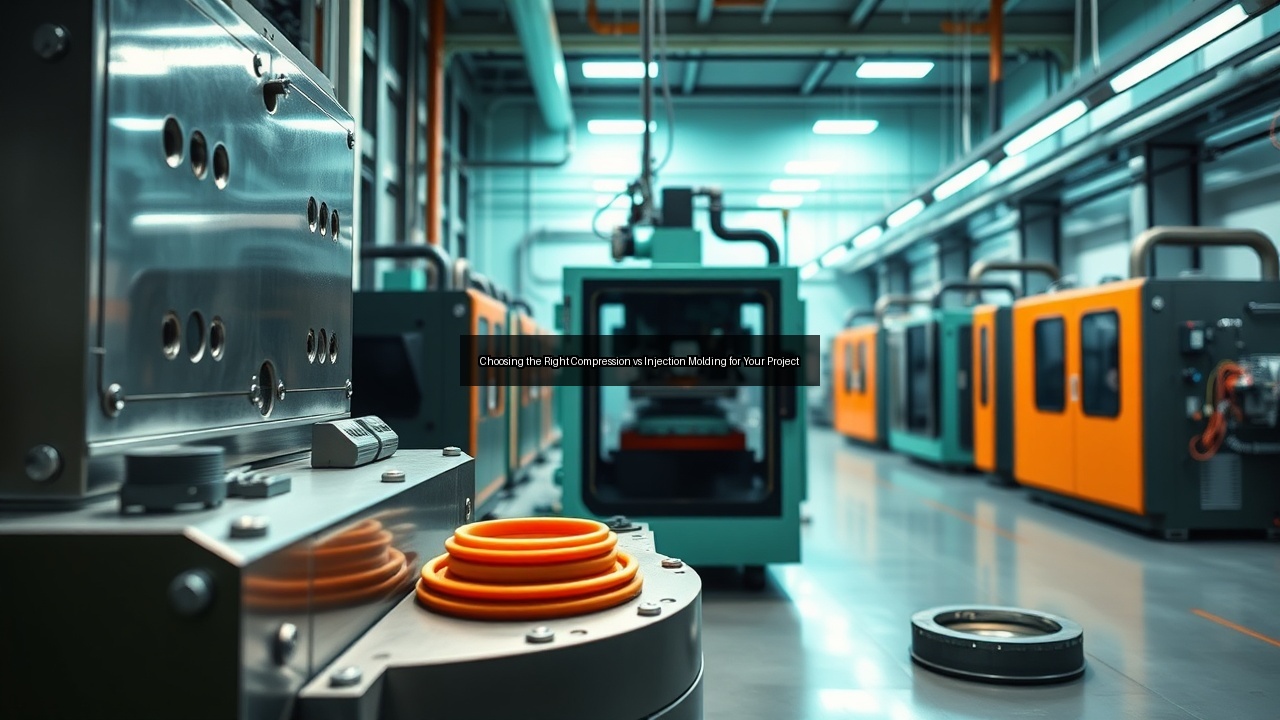
Custom rubber molding starts with clear choices between compression molding and injection molding. Manufacturers select these technologies based on project scale and material behavior. Compression molding presses rubber into an open mold under direct pressure, while injection molding forces material through a nozzle into a closed mold. Engineers evaluate both for custom rubber molds that produce gaskets, grommets, and bushings. The process affects final part strength and surface finish. Customers gain reliable components when they match the method to rubber properties like elasticity and durability. This foundation guides decisions across automotive and packaging sectors. Additional factors include thermal conductivity of the compound and the need for post-cure operations that enhance cross-linking in elastomers.
Key Differences Between Compression and Injection Molding
Compression molding suits simple rubber shapes and lower production volumes because it uses basic tools and less complex setups. Injection molding delivers precise tolerances and faster cycles for intricate designs in plastic or elastomer parts. Manufacturers often choose injection when customers demand high repeatability and minimal flash. Compression methods handle thicker sections better and reduce material waste in certain rubber applications. Transfer molding bridges the gap by preheating rubber before forcing it into the mold cavity. Each approach impacts cycle time, tooling costs, and part consistency in custom rubber molding projects. For instance, compression often requires manual trimming of excess flash, whereas injection systems incorporate automated sprue removal to streamline finishing.
Overview of Transfer Molding and Its Applications
Transfer molding combines elements of both compression and injection techniques for rubber parts. The process loads material into a pot, then transfers it under pressure through runners into the mold. This method excels with bonded inserts and delicate features that require even flow. Automotive suppliers rely on transfer molding for vibration-dampening bushings and noise-reducing mounts. It supports clean room standards when hygiene matters in food or medical packaging. Manufacturers achieve strong adhesion and tight tolerances with this versatile technology in custom rubber molding. Engineers frequently select transfer molding when parts feature embedded metal components, as the controlled flow minimizes displacement risks and promotes uniform bonding strength across interfaces.
Evaluating Your Project Needs
Understanding Material Requirements: Rubber vs. Plastic
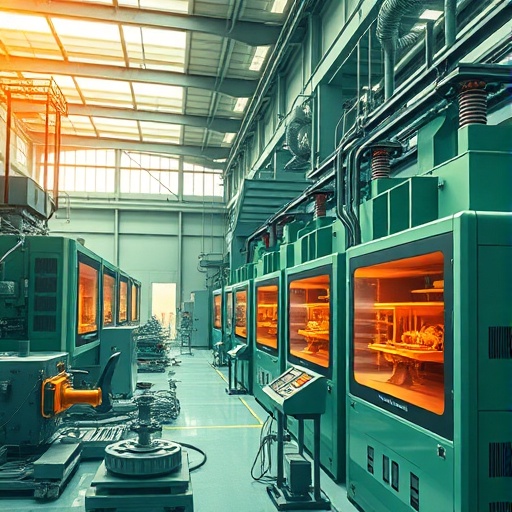
Rubber offers superior flexibility and sealing compared to rigid plastic in many molded applications. EPDM and silicone elastomers resist heat, chemicals, and weathering, making them ideal for automotive gaskets and extrusions. Plastic parts provide stiffness but may fail under repeated compression or vibration. Custom rubber molding experts assess durometer, elongation, and tear strength before selecting the compound. Temperature ranges and chemical exposure determine whether rubber or plastic fits the design. Proper material choice prevents premature failure in bumpers, grommets, and seals. In practice, rubber compounds can be formulated with reinforcing fillers such as carbon black to boost tensile properties while preserving elongation at break values critical for dynamic sealing environments.
Assessing Design Complexity and Tolerances
Complex geometries with undercuts or thin walls favor injection molding for rubber parts. Compression molding works well for straightforward shapes and larger components. Tight tolerances require precision molds and controlled pressure during manufacturing. Engineers review part drawings to confirm achievable dimensions in custom rubber molding. Design features like ribs or bonding surfaces influence the selected process. Accurate tolerance evaluation reduces scrap and ensures parts meet functional requirements in vibration isolation or sealing roles. Simulation software now allows teams to predict shrinkage and warpage early, enabling adjustments to gate locations or mold cavity venting that improve overall dimensional stability in high-precision rubber components.
Identifying Industry Standards: ISO Compliance and Clean Room Requirements
ISO certification guarantees consistent quality in rubber molding operations. Clean room environments protect sensitive parts from contamination during production. Automotive and packaging customers often mandate these standards for gaskets and food-grade components. Manufacturers maintain documented processes that cover material traceability and inspection protocols. Compliance builds customer confidence and supports regulatory approval. Projects involving medical or hygiene-critical applications benefit from clean room capabilities in custom rubber molding facilities. Many facilities also pursue IATF 16949 certification to align with automotive supply chain expectations, adding layered process audits that verify every stage from compound mixing through final packaging.
The Role of Materials in Custom Rubber Molding
Types of Rubber Used: EPDM, Silicone, and Elastomers
EPDM delivers excellent weather resistance for outdoor automotive and packaging uses. Silicone withstands extreme temperatures and maintains flexibility in medical or food contact parts. General elastomers balance cost and performance for grommets, bumpers, and vibration mounts. Custom rubber molding experts match compound properties to application demands. Each rubber type responds differently to pressure and temperature during molding. Selecting the right material ensures long-term durability and proper function in finished components. Fluoroelastomers may be specified when aggressive fuels or oils are present, while nitrile rubber provides economical oil resistance for industrial grommets exposed to lubricants.
Temperature and Pressure Considerations in Molding
High temperatures soften rubber for better flow into intricate mold cavities. Precise pressure control prevents voids and flash in both compression and injection processes. Silicone compounds often require lower pressures than EPDM to avoid tearing. Manufacturers monitor these variables closely to achieve consistent custom rubber molds. Overheating risks material degradation while insufficient heat causes incomplete fills. Balanced conditions produce strong, dimensionally stable parts for demanding engineering applications. Advanced process controllers now integrate real-time rheology feedback, allowing dynamic adjustments that maintain optimal viscosity throughout the fill phase and reduce cycle-to-cycle variation.
Customization Options: Shapes, Sizes, and Applications
Custom rubber molding supports nearly any shape from simple grommets to complex bonded assemblies. Sizes range from tiny seals to large industrial bumpers. Manufacturers offer color matching, durometer variations, and insert bonding for tailored performance. Automotive customers request specific vibration-dampening profiles, while packaging needs food-safe extrusions. Design flexibility allows rapid prototyping and production scaling. These options help engineers solve unique challenges across multiple industries. Overmolding techniques further expand possibilities by encapsulating plastic or metal substrates with rubber layers that provide ergonomic grips or environmental sealing in a single operation.
Manufacturing Processes and Techniques
The Injection Molding Process: Step-by-Step
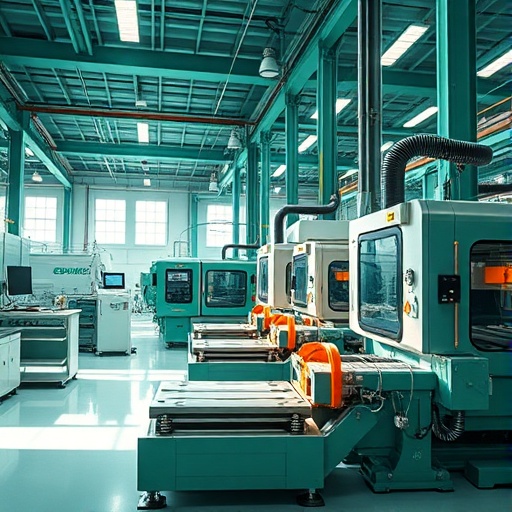
Injection molding begins with material preparation and mold heating. Rubber or elastomer pellets feed into a barrel where they melt under controlled temperature. The screw injects the compound into the closed mold at high pressure. Cooling solidifies the part before ejection. This cycle repeats quickly for high-volume custom rubber molding. Automated systems maintain tight tolerances throughout production. Inspection follows each run to verify dimensions and surface quality. Modern horizontal presses incorporate servo-driven screws that deliver precise shot volumes, while integrated sensors track cavity pressure curves to detect deviations before defects form in the finished rubber article.
The Compression Molding Process: An Overview
Compression molding places a measured rubber charge into an open mold cavity. The press closes and applies heat and pressure to flow the material. Curing occurs under sustained force until the part solidifies. Operators remove flash and inspect the molded rubber. This straightforward technique suits larger parts and lower quantities. Custom rubber molds for this process cost less than injection tooling. Manufacturers value its simplicity for certain gaskets and bushings. Preforms are often weighed and shaped to match cavity volume closely, minimizing overflow while ensuring complete fill and reducing the need for extensive post-mold deflashing operations.
Inspection and Quality Control in Rubber Molding
Quality control starts with incoming material verification and continues through every production stage. Dimensional inspection confirms tolerances on critical features. Visual checks detect surface defects or incomplete fills. Manufacturers use durometer testing and adhesion pull tests for bonded assemblies. Detailed records support ISO traceability requirements. Thorough inspection protects customers from defective custom rubber molding parts in automotive or packaging environments. Non-destructive techniques such as ultrasonic scanning or X-ray imaging are increasingly applied to verify internal bond integrity without damaging high-value components destined for safety-critical applications.
Making the Right Choice for Your Project

Cost Considerations: Budgeting for Custom Rubber Molding
Tooling investment differs sharply between compression and injection methods. Compression molds cost less upfront but may increase per-part labor. Injection tooling requires higher initial expense yet lowers unit costs at scale. Material waste, cycle time, and secondary operations also affect total budget. Customers should request detailed quotes that include design support and inspection services. Accurate cost modeling helps select the most economical path for rubber custom molds. Total cost of ownership calculations often reveal that amortized tooling expenses become negligible once annual volumes exceed several thousand units, making injection the preferred route for sustained production.
Choosing the Right Manufacturer: Experience and Expertise
Experienced manufacturers understand how material behavior interacts with mold design and process parameters. Look for teams with proven success in EPDM, silicone, and elastomer projects. Expertise in both compression molding and injection molding expands options for the customer. Review case histories in automotive, packaging, and industrial applications. Strong engineering support and clean room capabilities indicate reliable partners for custom rubber molding needs. Collaborative design reviews conducted early in the project lifecycle frequently uncover opportunities to simplify geometries or consolidate multiple components into a single molded assembly, delivering additional savings and performance gains.
Case Studies: Successful Applications in Automotive, Packaging, and More
Automotive suppliers used injection-molded silicone seals to reduce noise and vibration in engine compartments. Packaging companies relied on compression-molded EPDM gaskets for food-safe closures that met strict hygiene standards. Industrial clients achieved durable bumpers and grommets through custom rubber molding with bonded metal inserts. Transfer molding solved complex bonding challenges in vibration isolators. These examples show how proper process selection delivers performance and cost benefits across sectors. In one recent project, a medical device manufacturer adopted clean-room transfer molding to produce silicone diaphragms that satisfied both biocompatibility and dimensional repeatability requirements for implantable pump systems.