Mastering the Art of Threading in Swiss Screw Machining Techniques
Understanding Swiss Screw Machining
Overview of Swiss Screw Machining
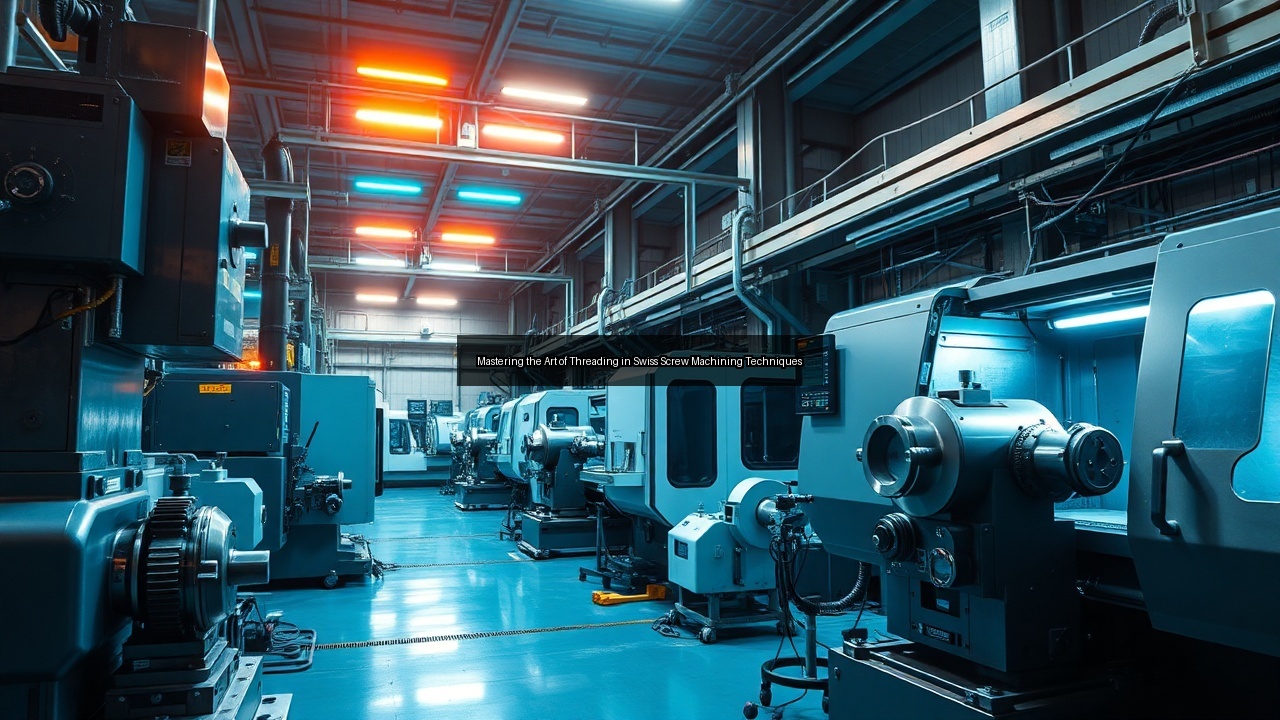
Swiss screw machining delivers unmatched precision for small, complex components through a unique sliding headstock design. Operators feed bar stock through a guide bushing that supports the material right at the cutting point, eliminating deflection on long, slender parts. Threading forms an integral step in this process, allowing manufacturers to produce accurate threads on diameters as small as 12mm or up to 16mm without secondary operations. Swiss screw machining handles high volumes of screw machined parts for industries requiring tight tolerances. The method combines turning, milling, and drilling in one setup, which reduces cycle times and improves consistency across batches.
Historical Evolution of Swiss Machining Techniques
Swiss machining originated in the 19th century to meet demands of the watchmaking industry in Switzerland. Early screw lathe designs focused on producing tiny, intricate components with manual controls. Over decades, engineers refined the center lathe principles into dedicated Swiss lathes that incorporated automatic barfeeders. The shift to CNC controls in the late 20th century transformed screw machining from a specialized craft into a versatile production method. Modern machines now integrate advanced threading capabilities, allowing shops to move beyond basic turning into multi-axis operations that rival traditional metalworking lathes in flexibility.
Key Advantages of Swiss Screw Machining
Swiss screw machining excels at maintaining rigidity during threading because the guide bushing keeps material stable near the tool. This stability supports faster speeds and finer finishes compared with standard metalworking lathes. Shops achieve higher throughput with integrated barfeeder systems that run unattended for hours. The process minimizes scrap on expensive alloys while delivering parts complete with threads, cross holes, and milled features. Manufacturers value the repeatability for medical devices and aerospace fasteners where every thread must meet exact specifications without post-processing.
Essential Components of Swiss Screw Machining

Role of Swiss Lathes in Production
Swiss lathes form the backbone of high-precision screw machining operations. These machines position the cutting tools close to the guide bushing, which reduces vibration and enables aggressive threading passes on small diameters. Operators program tool paths that combine turning with milling and drilling in a single cycle. Tsugami models, for example, handle parts up to 16mm with ease while maintaining sub-micron accuracy. Swiss lathe setups prove ideal for long parts that would whip on conventional equipment, making them essential for consistent thread quality across production runs.
Importance of Barfeeders in Efficiency
A barfeeder automates material supply, allowing Swiss screw machining cells to operate continuously without frequent operator intervention. The system pushes bar stock through the headstock and into the guide bushing, maintaining alignment for precise threading operations. Shops running 12mm stock often pair hydrostatic barfeeders with Swiss lathes to achieve lights-out production. This setup cuts downtime between bars and supports higher spindle speeds during thread cutting. Efficient barfeeder integration directly boosts output while lowering labor costs in high-volume screw machine environments.
Functionality of the Tailstock in Machining
The tailstock provides additional support for longer workpieces during threading on Swiss lathes. Unlike standard center lathe configurations, Swiss machines use the tailstock selectively to stabilize parts that extend beyond the guide bushing. Operators engage the tailstock for operations requiring deep thread forms or secondary milling at the part's rear. This component prevents deflection and maintains concentricity, especially on parts exceeding 100mm in length. Proper tailstock use in screw machining ensures thread pitch accuracy and surface finish remain consistent from one end of the component to the other.
Techniques for Effective Threading in Swiss Screw Machining
Types of Threading Techniques Used
Swiss screw machining employs several threading methods tailored to part geometry and material. Single-point threading with carbide inserts delivers precise external threads on diameters from 12mm upward. Thread whirling handles high-helix forms quickly on medical bone screws. Tapping and thread milling cover internal features when drill cycles precede the operation. Each technique benefits from the machine's rigid setup, which keeps tools close to the support bushing. Manufacturers select the approach based on thread length, pitch, and required surface quality to optimize cycle time in screw machined components.
Utilizing CNC Lathe for Precision Threading
CNC lathe controls in Swiss screw machining allow exact synchronization between spindle rotation and tool feed during threading. Programmers input thread parameters directly into the control, enabling quick adjustments for different pitches without mechanical changes. Live tooling adds the ability to mill hex flats or slots adjacent to threads in the same setup. This integration eliminates the need to transfer parts to milling machines. Swiss CNC platforms maintain consistent thread depth across thousands of cycles, supporting industries that demand statistical process control data for every screw machined feature.
Comparison of Threading on Swiss Lathes vs. Turret Lathes
Swiss lathes outperform turret lathes when threading long, slender parts because the guide bushing provides continuous support. Turret lathes rely on collets or chucks that leave unsupported sections vulnerable to deflection during deep thread cuts. Swiss screw machining completes complex threads plus milling and drilling without rechucking, while turret setups often require multiple operations. Cycle times drop significantly on Swiss machines for small-diameter work, though turret lathes retain advantages for larger, short parts where raw power matters more than extreme precision.
Applications and Industries Utilizing Swiss Screw Machining
Common Materials Processed in Swiss Machining
Swiss screw machining routinely processes stainless steel, titanium, brass, and aluminum alloys. These materials respond well to the high-speed threading possible with rigid Swiss lathe setups. Harder grades require coated inserts and optimized coolant delivery to maintain thread quality. Shops also run plastics and specialty alloys when applications demand corrosion resistance or biocompatibility. Material choice influences feed rates and tool selection, yet the core advantage of swiss screw machining remains its ability to hold tight tolerances on any machinable stock fed through the barfeeder system.
Industries That Benefit from Screw Machining
Medical device manufacturers rely on Swiss screw machining for bone screws, surgical instruments, and implant components that need precise threads. Aerospace suppliers produce fasteners and connectors with demanding specifications. Automotive firms use the process for fuel system parts and sensor housings. Electronics companies order screw machined pins and connectors in high volumes. Each sector values the process for its ability to combine turning, threading, and milling into one efficient operation on Swiss lathes equipped with tailstock support.
Case Studies: Successful Applications in Metalworking
One contract manufacturer switched a 16mm stainless steel connector job from turret lathes to Swiss screw machining and reduced cycle time by 40 percent while improving thread concentricity. The barfeeder allowed unmanned runs overnight, increasing weekly output without added labor. Another shop producing titanium medical screws integrated thread whirling on a Tsugami Swiss lathe and eliminated a secondary operation entirely. These examples illustrate how swiss screw machining solves common metalworking challenges by consolidating operations and enhancing precision across varied part families.
Future Trends in Swiss Screw Machining
Advancements in Technology: Y-Axis and Ejector Systems
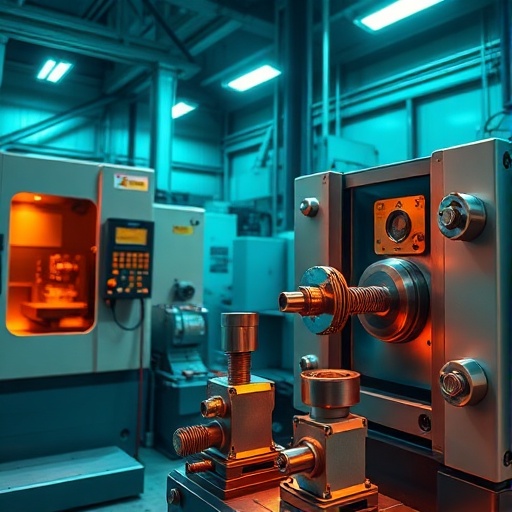
Y-axis capability on modern Swiss lathes expands threading options by allowing off-center milling and drilling without repositioning the part. Combined with improved ejector systems, these machines clear finished components faster, shortening overall cycle times. Ejectors designed for small-diameter work prevent damage to delicate threads during part removal. Manufacturers adopting these features report higher spindle utilization and fewer scrapped parts. The combination of y-axis motion and reliable ejection continues to push Swiss screw machining into new applications previously reserved for larger milling machines.
The Impact of Automation on Screw Machining
Automation extends beyond barfeeders to include robotic part handling and in-process inspection within Swiss screw machining cells. Integrated systems monitor thread quality in real time and adjust offsets automatically. This level of control supports consistent output on lights-out runs lasting multiple shifts. Shops that pair Swiss lathes with automated material handling achieve higher overall equipment effectiveness while reducing human error during threading operations. Automation also enables quick changeovers between different screw machined part numbers without extensive manual setup.
Sustainability Practices in Swiss Machining
Modern Swiss screw machining incorporates energy-efficient motors and high-pressure coolant systems that reduce fluid consumption. Shops recycle chip waste from threading operations and optimize tool life through data-driven programs. These practices lower the environmental footprint while cutting operating costs. Longer tool life from precise setups means fewer carbide inserts enter landfills. Manufacturers increasingly select Swiss lathes with regenerative drives that recover energy during deceleration, aligning screw machining operations with broader sustainability goals in the metalworking sector.