Reducing Waste in Plastic Machining: Eco-Friendly Practices
Understanding the Importance of Eco-Friendly Practices in Plastic Machining
The Environmental Impact of Plastic Waste
Plastic waste poses a severe threat to the environment, with millions of tons ending up in landfills and oceans each year. In the realm of manufacturing, particularly in plastic machining, the consequences of waste become even more pronounced. The production of machined plastic components often generates excess material, which can contribute to pollution and resource depletion. Each piece of scrap plastic represents not just wasted resources but also energy lost in its production, transportation, and eventual disposal. The urgency to adopt eco-friendly practices in plastic machining stems from this impact. By minimizing waste, manufacturers can significantly reduce their carbon footprint and contribute to a more sustainable future. Implementing strategies that prioritize recycling, reusing, and reducing plastic waste is essential for manufacturers keen on mitigating their environmental impact.
The Role of CNC Machinery in Sustainable Manufacturing
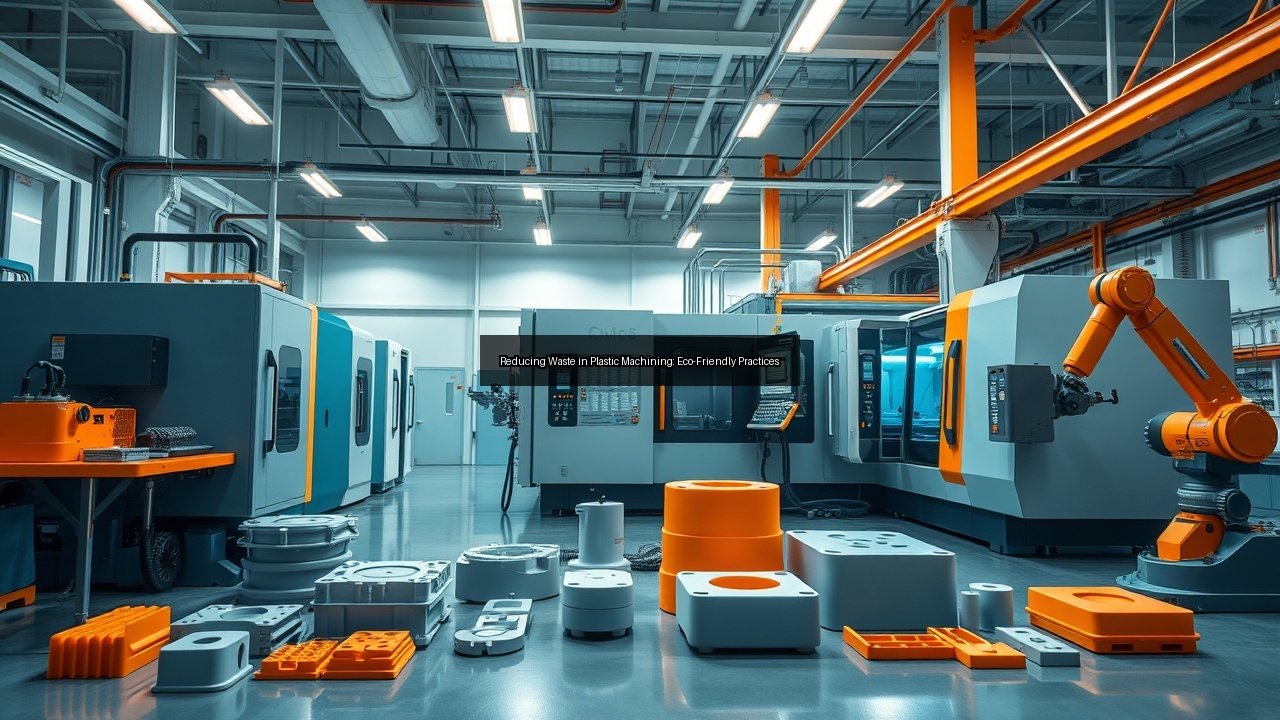
CNC machinery revolutionizes the landscape of plastic fabrication by enhancing precision and efficiency in production. Unlike traditional machining techniques, CNC machining minimizes human error and optimizes material usage through advanced programming. This technology allows for the precise cutting of machined plastic parts, reducing the amount of scrap generated during the manufacturing process. Furthermore, CNC machines can be programmed to use only the necessary dimensions and tolerances for each component, leading to a more efficient workflow. As manufacturers increasingly adopt CNC technology, they not only improve their production capabilities but also embrace a path towards sustainability. By utilizing CNC machinery, companies can create high-quality machined plastic components while simultaneously reducing waste and promoting eco-friendly practices.
Implementing Sustainable Techniques in CNC Machining
Optimizing Material Use in Batch Production
Batch production presents a unique opportunity to optimize material use in CNC machining. By carefully planning production runs and analyzing the specific needs for each batch, manufacturers can significantly reduce waste. This involves evaluating the dimensions and tolerances of each machined plastic part before production begins. By ensuring that each piece is designed for maximum efficiency, companies can minimize excess material and cut down on scrap. Additionally, utilizing nesting techniques during the machining process allows for better layout of components on the material sheet, ensuring that every inch is utilized effectively. This approach not only reduces waste but also decreases overall costs associated with purchasing and disposing of excess materials, making it a win-win for manufacturers committed to sustainability.
Innovative Surface Finishing and Treatment Methods
Surface finishing and treatment methods play a crucial role in the sustainability of machined plastic components. Traditional finishing processes often generate significant amounts of waste and may require the use of harmful chemicals. However, innovative techniques such as laser engraving, water jet cutting, and eco-friendly coatings have emerged as sustainable alternatives. These methods not only enhance the aesthetics and durability of plastic machined parts but also reduce waste and environmental impact. For instance, laser engraving creates precise designs without the need for physical materials that can produce waste. Furthermore, eco-friendly surface treatments minimize harmful emissions and ensure that cnc machined plastic parts manufacturers adhere to stricter environmental regulations. By adopting these innovative methods, companies not only improve product quality but also advance their commitment to eco-friendly practices.
Utilizing Engineering Plastics and Composites for Reduced Waste
Engineering plastics and composites offer versatile solutions in machined plastic components, presenting opportunities to reduce waste significantly. These materials often have superior properties compared to traditional plastics, including enhanced strength, durability, and resistance to heat and chemicals. By choosing engineering plastics, manufacturers can create longer-lasting products that require less frequent replacement, thus reducing overall waste. Additionally, composites can be designed to meet specific performance requirements, allowing for the production of lighter, stronger components that optimize material use. This tailored approach not only minimizes the amount of plastic used but also leads to more efficient machining processes. By investing in advanced materials, manufacturers can embrace sustainability while still meeting the demands of their customers.
Advancements in Technology for Waste Reduction
The Role of Robotics in Precision Machining
Robotics plays an integral role in enhancing precision machining and reducing waste in the production of machined plastic components. Automated systems equipped with advanced robotics can operate with incredible accuracy, ensuring that every machined part meets the specified dimensions and tolerances. This precision minimizes the risk of defects, which commonly lead to scrapped materials. Furthermore, robots can work continuously, increasing production efficiency without compromising quality. The integration of robotics in CNC machining systems allows for better material handling, reducing the possibility of damage that can lead to waste. As manufacturers continue to embrace automation, they find that robotics not only streamlines operations but also significantly contributes to sustainability efforts by reducing the overall waste generated during production.
Smart Machining: Using Specifications and Tolerances to Minimize Scrap
Smart machining leverages advanced technology to enhance the efficiency of CNC machining processes. By utilizing precise specifications and tolerances, manufacturers can optimize the production of plastic machined components, ensuring that each piece fits perfectly within the desired application. This meticulous attention to detail minimizes the likelihood of errors that can result in machined plastic part scrap. Advanced software and analytics tools enable machinists to analyze production data, identify areas of improvement, and adjust machining processes accordingly. This proactive approach not only reduces waste but also enhances overall productivity. As smart machining becomes increasingly prevalent, manufacturers position themselves at the forefront of sustainable practices, leading to significant cost savings and a reduced environmental footprint.
Case Studies: Success Stories in Eco-Friendly Plastic Machining
Examples of Companies Leading the Way
Several companies have emerged as leaders in eco-friendly plastic machining, showcasing innovative practices that prioritize sustainability. For instance, a well-known manufacturer of machined plastic components implemented a comprehensive recycling program that captures scrap materials and repurposes them into new products. This initiative not only reduced waste but also lowered production costs, demonstrating that sustainability can align with profitability. Another company invested in advanced CNC machinery that optimizes material use and minimizes scrap during production. Their commitment to eco-friendly practices has garnered recognition and attracted environmentally conscious clients, further solidifying their market position. These examples illustrate the tangible benefits that come from adopting sustainable practices in plastic machining.
Lessons Learned from Sustainable Machining Practices
The journey toward sustainable plastic machining offers valuable lessons for manufacturers looking to reduce waste. First, embracing a culture of sustainability within the company fosters innovation and encourages employees to contribute ideas for reducing waste. Training programs that emphasize the importance of eco-friendly practices can lead to a more engaged workforce committed to sustainability. Second, investing in technology that enhances precision and efficiency pays off in the long run. Companies that adopt smart machining principles and advanced CNC machinery often see a decrease in waste and an increase in productivity. Finally, collaboration within the industry can lead to shared best practices and a collective effort toward sustainability. By learning from the successes and challenges of others, manufacturers can pave their path toward eco-friendly plastic machining.
See Also
- Exploring the Benefits of Using CNC Machined Plastic Parts in Manufacturing
- How to Achieve Optimal Performance with Machined Plastic Components
- The Best CNC Machines for Precision Machined Plastic Components
- Unlocking the Potential of Machined Plastic Components in Modern Engineering
- Common Challenges in Machining Plastics and How to Overcome Them