The Benefits of Using Plastic Oil Storage Containers
Understanding Oil Storage Containers
Types of Oil Storage Containers
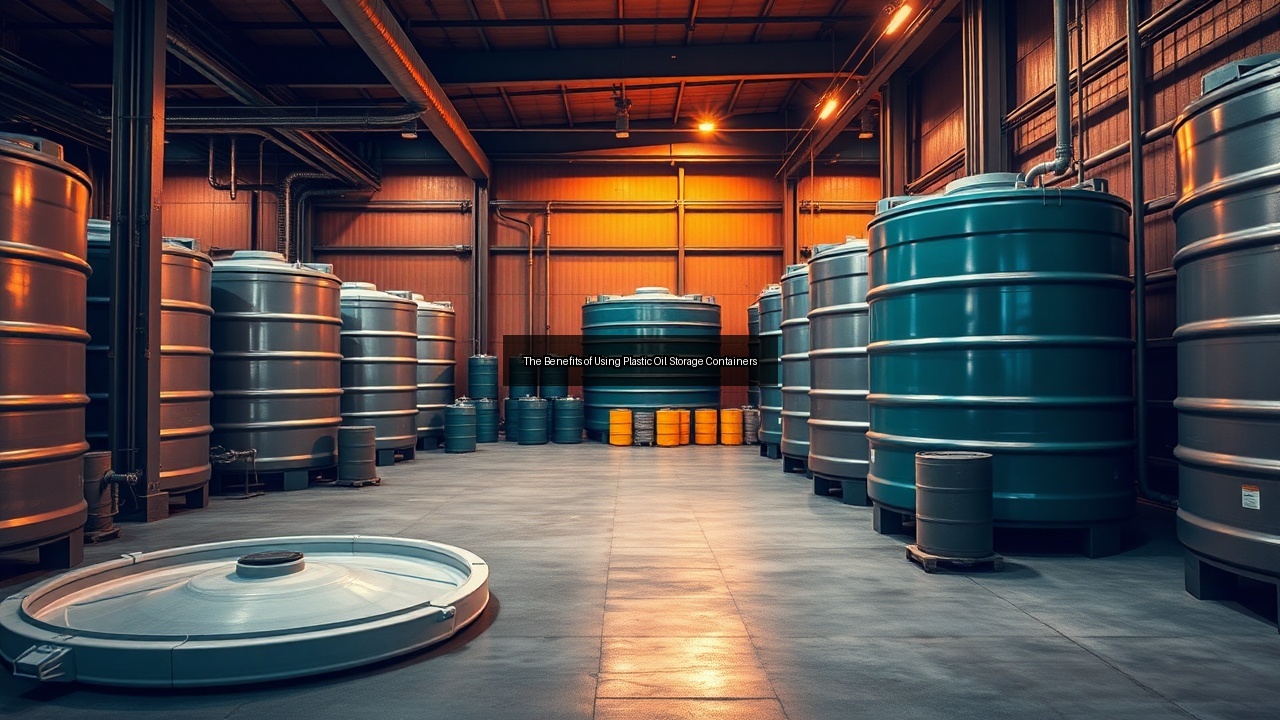
Oil storage containers come in various types, each designed to serve specific needs. Common types include tanks, drums, and specialized plastic containers. Tanks often serve larger operations, such as oil and gas storage facilities, where significant quantities of oil are required. These oil tanks provide secure containment and often include features for monitoring levels and preventing leaks. Drums, typically made of metal or plastic, are versatile and suitable for smaller quantities, useful in both commercial and domestic settings. Plastic containers, specifically designed for oil storage, are gaining popularity due to their lightweight design and resistance to corrosion.
Comparing Plastic and Metal Containers
When choosing between plastic and metal containers for oil storage, several factors come into play. Plastic containers are lighter and easier to handle than their metal counterparts. They resist corrosion, which is crucial for long-term oil storage. Metal containers, while durable, are prone to rust and degradation when exposed to moisture. Additionally, plastic containers often come with built-in safety features that enhance their usability. For instance, many plastic oil storage containers include spill-proof caps and secure seals, which prevent leaks and contamination. Ultimately, the choice between plastic and metal depends on the specific requirements of the storage environment and the type of oil or lubricants being stored.
Common Uses for Oil Storage Containers
Oil storage containers find applications in various industries, from automotive to manufacturing. In automotive settings, these containers store lubricants essential for vehicle maintenance. In industrial contexts, oil storage tanks hold larger volumes of oils for machinery and equipment, ensuring a steady supply for operations. Other sectors, such as agriculture, rely on these containers for fuel storage and equipment lubrication. Households also utilize smaller plastic containers for home heating oil or motor oil, making oil storage containers versatile across different scales and industries. Understanding the common uses of these containers can help in selecting the right type for specific needs.
Advantages of Plastic Oil Storage Containers
Durability and Longevity
Plastic oil storage containers offer remarkable durability and longevity, making them an excellent choice for various oil and lubrication needs. Unlike metal containers, which may corrode over time, plastic containers resist rust and degradation, ensuring that the oil remains uncontaminated. Many high-quality plastic containers are designed to withstand extreme temperatures, making them suitable for outdoor use. Their resistance to UV rays prevents degradation from sunlight exposure, further extending their lifespan. Additionally, the robust construction of plastic containers reduces the risk of breakage, providing peace of mind for operators who need reliable storage solutions. This durability leads to less frequent replacements, resulting in long-term savings.
Cost-Effectiveness of Plastic Containers
Cost-effectiveness plays a significant role in choosing oil oil container storage containers. Plastic containers often come at a lower price point compared to metal tanks, making them budget-friendly for both individuals and businesses. Their lightweight nature also translates to lower shipping costs, enhancing their affordability. Furthermore, the reduced need for maintenance due to their durability means that users save on upkeep expenses over time. Investing in plastic oil storage containers allows for a more economical approach to oil storage without sacrificing quality or safety. As businesses and homeowners seek to optimize their storage solutions, the cost-effectiveness of oil container plastic containers stands out.
Safety Features of Plastic Storage Tanks
Safety remains a paramount concern when storing oil, and plastic oil storage containers integrate several features that enhance user safety. Many plastic containers are designed with spill-proof caps and secure seals, preventing leaks that could lead to environmental contamination. Additionally, some containers include built-in ventilation systems that reduce pressure buildup, minimizing the risk of explosions or ruptures. The lightweight nature of plastic also means that handling these containers poses a lower risk of injury compared to heavier metal tanks. Many manufacturers produce plastic oil storage tanks that comply with safety standards, ensuring they are fit for purpose and reliable for long-term use.
Selecting the Right Oil Storage Container
Capacity Considerations: Gallons, Liters, and Quarts
Choosing the right capacity for oil storage containers is crucial for effective storage solutions. Containers come in various sizes, measured in gallons, liters, and quarts, allowing users to select oil container according to their specific needs. For personal use, smaller containers—often holding around 5 to 10 gallons—suffice for home heating oil or motor oil storage. In contrast, businesses may require larger tanks, ranging from hundreds to thousands of gallons, to support machinery and equipment. Understanding the capacity needs ensures that users don’t over or under-purchase storage solutions, optimizing space and ensuring that oil is readily available when needed.
Gravity Feed Systems and Their Benefits
Gravity feed systems serve as an efficient method for transferring oil from storage containers to machinery or vehicles. These systems utilize the natural pull of gravity, allowing oil to flow smoothly from the tank into the dispensing area. This approach minimizes the need for pumps, reducing operational costs and maintenance requirements. With gravity feed systems, users can easily monitor oil levels, ensuring that they always have the necessary quantities available. Additionally, these systems often incorporate safety features to prevent spills and leaks, further enhancing the reliability of oil storage and transfer processes. Implementing gravity feed systems can streamline operations and improve efficiency in any setting.
Regulatory Compliance for Oil Storage
Regulatory compliance plays a vital role in the selection and use of oil storage containers. Different regions have specific regulations regarding the storage of oils and lubricants, especially when it comes to environmental safety. Users must ensure that their chosen containers meet local laws and standards to avoid potential fines or legal issues. Compliance often includes proper labeling, spill containment measures, and regular inspections of storage tanks. Choosing oil storage containers that align with these regulations not only promotes safety but also protects businesses from liability. Being proactive in understanding and adhering to these regulations can prevent complications and foster responsible oil storage practices.
Best Practices for Storing Oil in Plastic Containers
Proper Maintenance of Oil Storage Tanks
Regular maintenance of oil storage tanks is essential for ensuring their longevity and effectiveness. Users should conduct routine inspections to check for signs of wear, leaks, or damage. Keeping the exterior clean prevents the buildup of contaminants that could affect the oil quality. When using plastic containers, it's important to store them away from direct sunlight to protect the integrity of the material. Additionally, ensuring that storage areas remain dry and secure will help prevent contamination or accidental spills. Adopting a proactive maintenance routine not only extends the life of the containers but also ensures that the oil remains pure and uncontaminated.
Preventing Contamination of Oil and Lubricants
Contamination poses a significant threat to the quality of oil and lubricants stored in containers. To prevent this, users should ensure that containers remain sealed when not in use. Avoid transferring oil between containers unless necessary, as this can introduce contaminants. Employing proper handling techniques during oil transfers can also reduce the risk of contamination. Regularly monitoring the oil for changes in color, viscosity, or odor can help identify potential issues early on. By implementing strict protocols to maintain cleanliness and integrity, users can ensure the longevity and effectiveness of their stored oil, ultimately enhancing performance.
Storage Solutions: Cages and Other Options
Enhancing oil storage safety often involves utilizing additional storage solutions like cages and secondary containment systems. Cages provide extra security for plastic oil storage containers, preventing unauthorized access and potential accidents. These structures can also contain spills, protecting the surrounding environment. In areas where high volumes of oil are stored, implementing secondary containment solutions is essential for regulatory compliance and environmental protection. Other options include placing containers on shelves or racks to maximize space and improve accessibility. By considering various storage solutions, users can create a safer and more efficient environment for oil storage.