The Importance of Regular Grease Maintenance for Machine Efficiency
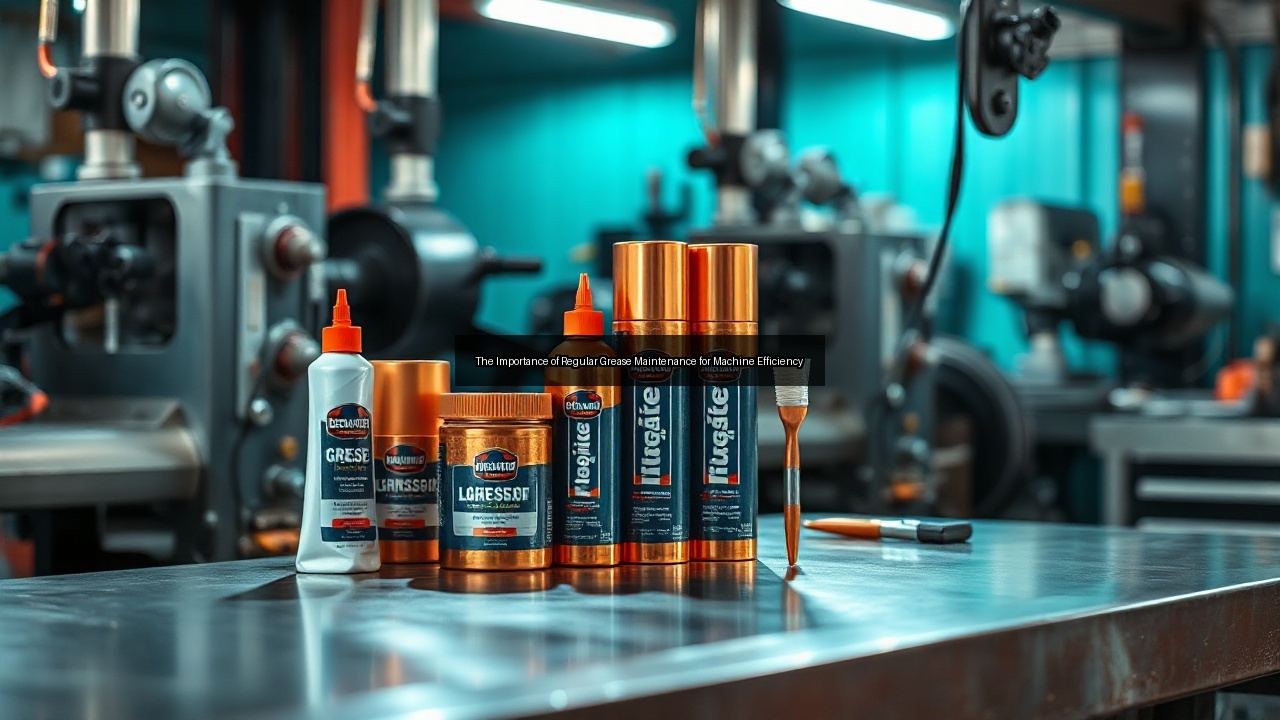
Understanding the Role of Lubricant Grease in Machinery
The Basics of Lubrication: Grease vs. Oil
Lubrication plays a critical role in the effective operation of machinery, significantly reducing friction and wear between moving parts. While both grease and oil serve this purpose, they have distinct characteristics that make them suitable for different applications. Grease is a semi-solid lubricant that combines a base oil with a thickening agent, resulting in a consistency that adheres well to surfaces and provides lasting protection. It remains in place longer than oil, making it ideal for applications where frequent reapplication is not feasible. Conversely, lubricating oil is a liquid, offering superior flow characteristics and cooling properties but requiring more frequent application. Understanding these differences is essential for selecting the appropriate lubricant for machinery, ensuring optimal performance and longevity.
Key Components of Lubricant Grease
Lubricant grease comprises several key ingredients that contribute to its effectiveness. The primary component is the base oil, which provides the necessary lubricating properties. This oil can vary in viscosity, influencing how well it performs under different operating conditions. The thickener, another crucial ingredient, gives grease its structure and consistency. Common thickeners include lithium, calcium, and polyethylene, each offering unique benefits for specific applications. Additives further enhance grease performance, providing properties such as oxidation resistance, corrosion prevention, and improved adhesion to metal surfaces. Selecting the right combination of these components ensures that the lubricant grease performs optimally in various machinery applications, from wheel bearings to agricultural equipment.
How Grease Reduces Friction and Wear
Grease reduces friction and wear through a combination of lubrication and protective film formation. When applied to moving parts, the grease forms a thin layer between surfaces, minimizing direct contact. This layer allows for smoother movement and significantly reduces wear on components. Additionally, grease can absorb shock loads and vibrations, further decreasing stress on parts. The ability of grease to remain in place, even under high pressure and temperature conditions, enhances its effectiveness. For example, in wheel bearings, proper lubrication with grease prevents metal-to-metal contact, extending the life of these critical components. By choosing the right grease and maintaining a regular lubrication schedule, machinery operators can effectively reduce friction, minimize wear, and improve overall performance.
Selecting the Right Grease for Optimal Performance
Factors to Consider in Grease Selection
Choosing the right grease for a specific application involves several factors. First, consider the operating temperature range; greases formulated for high-temperature environments, like lithium grease, are essential for machinery exposed to heat. Second, evaluate the load conditions. For heavy loads or extreme pressure situations, specialized greases designed to protect bearings and other components are crucial. Water resistance is another important factor; in high-moisture environments, selecting a grease with water-resistant properties protects against rust and corrosion. Additionally, consider the compatibility of the grease with existing lubricants and materials, including seals and plastic gears. By carefully assessing these factors, operators can select a grease that offers reliable performance and long service life.
High-Performance Greases for Demanding Applications
High-performance greases are engineered to meet the rigorous demands of industrial applications. These formulations often contain advanced thickeners and additives designed to withstand severe operating conditions. For example, greases specifically designed for use in agriculture or marine environments offer protection against water, dust, and extreme temperatures. Many high-performance greases also provide excellent adhesion to metal surfaces, ensuring that the lubricant stays in place even under heavy loads. Selecting the right high-performance grease grease that performs in high-moisture operations can significantly enhance operational efficiency, reduce downtime, and prolong the life of critical machinery components. This level of protection is essential for industries that rely on heavy-duty equipment, where even minor failures can lead to substantial costs.
Specialized Greases: Lithium vs. Silicone
When selecting specialized greases, lithium and silicone greases are two popular options, each with unique benefits. Lithium grease is known for its versatility and excellent resistance to water, making it suitable for a wide range of applications, from automotive to industrial machinery. It offers outstanding performance across various temperatures and provides effective protection against rust and wear. On the other hand, silicone grease lubricant excels in high-temperature environments and when dealing with plastic components. It provides excellent lubrication without causing degradation to plastics, making it ideal for applications involving o-rings and seals. Understanding the specific advantages of each type allows operators to make informed decisions based on the requirements of their machinery.
Implementing Regular Grease Maintenance
Best Practices for Grease Application
Effective grease maintenance begins with the application method. Operators must ensure that grease is applied correctly to avoid under-lubrication or over-lubrication. Using a grease gun or aerosol applicator allows for precise application, ensuring that the right amount of grease reaches the intended areas. It's essential to follow manufacturer guidelines regarding the quantity and frequency of application. Regularly inspecting components, such as bearings and hinges, helps identify areas requiring lubrication. Additionally, operators should maintain clean working environments to prevent contaminants from entering the grease, which can compromise its effectiveness. Implementing these best practices contributes to optimal lubrication and extends the life of machinery.
Frequency of Grease Maintenance Tasks
The frequency of grease maintenance tasks varies based on several factors, including machine operating conditions, workload, and environmental factors. High-demand applications requiring constant operation may necessitate more frequent lubrication schedules, while less active machinery can follow a standard maintenance routine. A general rule of thumb involves lubricating once every few weeks, but this can change based on specific equipment needs. Monitoring performance metrics, such as temperature and noise levels, can provide insights into whether lubrication frequency needs adjustment. Ultimately, a proactive approach to grease maintenance ensures that machinery operates efficiently and minimizes the risk of unexpected failures.
Identifying Signs of Insufficient Lubrication
Recognizing the signs of insufficient lubrication is crucial for preventing equipment failure. Common indicators include increased operating temperature, unusual noise, or vibrations during operation. If components such as bearings begin to show signs of wear or damage, it may indicate inadequate lubrication. Regular inspections should include checking grease levels and looking for signs of grease contamination, such as discoloration or foreign particles. Maintenance logs can also help track lubrication history, providing protection for bearings under extreme pressure valuable insights into performance trends. By promptly addressing these issues, operators can prevent costly downtime and maintain optimal machine efficiency.
The Long-Term Benefits of Consistent Grease Maintenance
Extending the Life of Bearings and Machinery
Consistent grease maintenance plays a pivotal role in extending the life of bearings and machinery. Proper lubrication reduces friction, which is a primary cause of wear in mechanical components. Regular application of the right lubricant grease ensures that parts operate smoothly, minimizing the risk of failure. For example, in wheel bearings, maintaining a consistent grease routine prevents metal-to-metal contact, significantly extending their lifespan. This proactive approach not only enhances the reliability of machinery but also leads to improved productivity over time. Operators can see a tangible return on investment when they prioritize grease maintenance, as it translates into fewer replacements and repairs.
Reducing Downtime with Effective Grease Solutions
Effective grease solutions significantly reduce downtime, which is critical in maintaining productivity. Machinery failures due to inadequate lubrication can lead to expensive downtime, halting production and affecting operational efficiency. By implementing a structured grease maintenance program, operators can anticipate and prevent potential failures before they occur. Regular lubrication checks and timely application of grease ensure that machines run smoothly and efficiently. Investing in high-quality lubricant grease formulated for specific applications can enhance performance and reliability, further minimizing the risk of unexpected breakdowns. This proactive maintenance strategy ultimately pays off by keeping machinery operational and reducing the frequency of repairs.
Cost Savings Through Proper Lubrication Practices
Implementing proper lubrication practices leads to significant cost savings for businesses. Regular maintenance of lubricant grease minimizes the wear and tear on machinery, reducing the need for costly replacements and repairs. Additionally, efficient lubrication optimizes machine performance, which can improve energy efficiency and reduce operational costs. Businesses can also lower their maintenance budgets by extending service intervals and reducing downtime. By focusing on proper grease selection and maintenance routines, companies can achieve a higher return on investment and ensure their machinery operates at peak performance. This strategic approach fosters a culture of efficiency and reliability within the organization, further enhancing overall productivity.