The Role of Control Valves in Streamlining Food Production
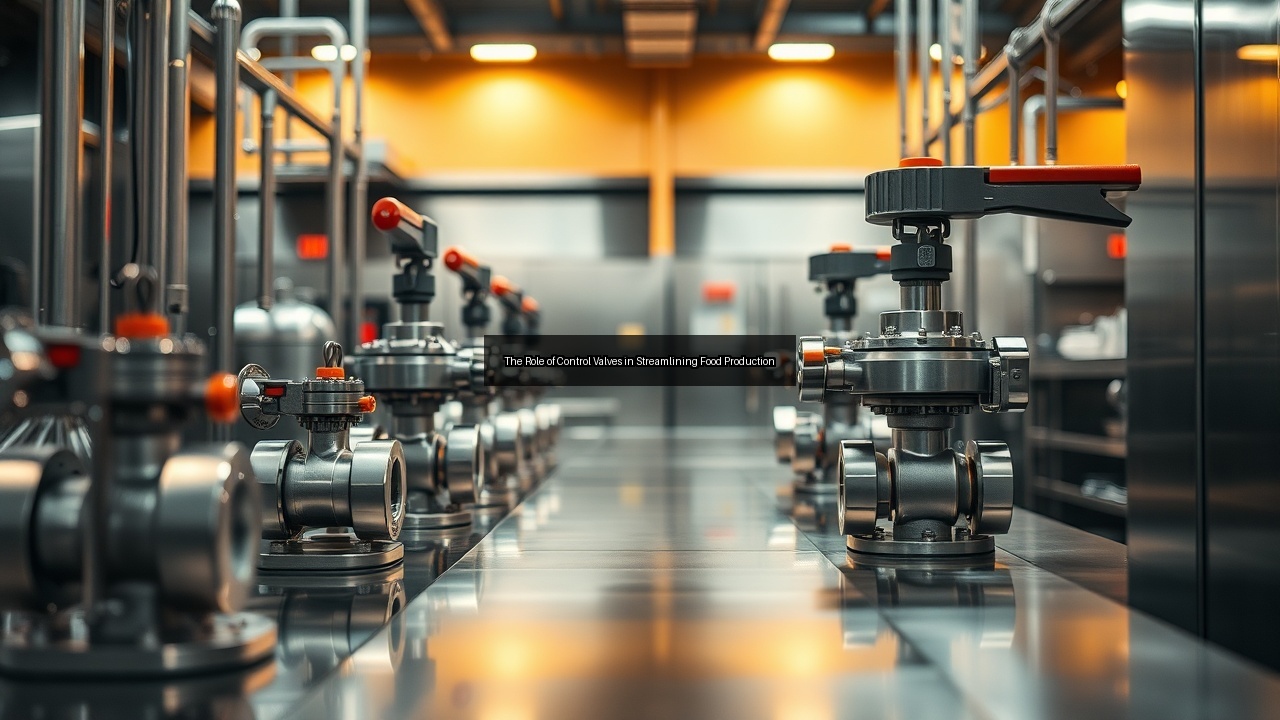
Understanding Control Valves in Food Production
What Are Control Valves?
Control valves play a critical role in managing the flow of fluids within food production systems. These devices regulate various parameters such as pressure, temperature, and flow rate, ensuring that the manufacturing processes operate smoothly and efficiently. In the food and beverage industry, control valves help maintain product quality and consistency while adhering to strict safety standards. By adjusting the flow of liquids and gases, these valves help optimize processing conditions, leading to better resource utilization and reduced waste.
Types of Control Valves Used in Food Processing
Several types of control valves are integral to the food processing industry. The most commonly used include ball valves, safety relief valves, and check valves. Each type serves a unique purpose. Ball valves offer excellent flow control and versatility, making them suitable for various applications, from handling baked goods to managing fluid transfers in confectionery production. Safety relief valves protect against overpressure scenarios, ensuring compliance with safety regulations. Check valves, on the other hand, prevent backflow in fluid systems, which is crucial for maintaining product purity and safety. Understanding these types of valves allows food processors to choose the right equipment for their specific needs.
Importance of Valves in the Food and Beverage Industry
Valves for food processing are essential for maintaining operational efficiency and product integrity. Their role extends beyond mere fluid control; they also ensure compliance with health and safety regulations mandated by organizations like the FDA. Properly functioning control valves contribute to maintaining the right conditions for fermentation, pasteurization, and other critical processes in food production. Moreover, these valves help minimize the risk of contamination by preventing unwanted backflow and ensuring sanitary conditions. Thus, the importance of control valves in the food and beverage industry cannot be overstated; they are vital to achieving high standards of quality and safety.
Key Types of Valves for Food Processing
Ball Valves: Efficiency and Versatility
Ball valves stand out as one of the most efficient and versatile options for fluid control in food processing. Their design features a spherical disc, or "ball," that rotates within the valve body to open or close the flow path. This simple yet effective mechanism allows for quick and precise control of liquids and gases. In applications involving baked goods, ball valves offer minimal resistance to flow, which translates to reduced energy consumption and improved processing times. Furthermore, their durability and ease of maintenance make them a preferred choice for various food and beverage applications, ensuring longevity and reliability in demanding environments.
Safety Relief Valves: Ensuring Compliance and Safety
Safety relief valves serve as the first line of defense against overpressure situations in food processing. These valves automatically release pressure when it exceeds predetermined limits, thereby protecting equipment and preventing potential hazards. In the food and beverage industry, maintaining a safe working environment is paramount. Compliance with safety regulations is non-negotiable, and safety relief valves play an essential role in this aspect. They help food processors avoid costly downtime and ensure that products meet stringent safety standards. Implementing safety relief valves not only safeguards equipment but also enhances overall operational efficiency, giving businesses peace of mind.
Check Valves: Preventing Backflow in Fluid Systems
Check valves are crucial for maintaining the integrity of fluid systems in food processing. These valves allow flow in one direction while preventing backflow, which is vital for avoiding contamination and ensuring product safety. In applications where various ingredients are mixed or transported, check valves help maintain the purity of each component by preventing cross-contamination. They are commonly used in systems that handle liquids, such as juices, sauces, and dairy products. By incorporating check valves into fluid handling processes, food processors can enhance product quality and ensure compliance with safety standards while maintaining efficient operations.
Automated Systems and Their Impact on Food Production
Integration of Control Valves in Automated Systems
The integration of control valves into automated systems has revolutionized food production. Automation streamlines processes and minimizes human error, leading to improved efficiency and consistency. Control valves can be programmed to respond dynamically to changes in flow rate, pressure, or temperature, allowing for real-time adjustments that enhance product quality. In automated systems, these valves become integral components that work in synergy with sensors and controllers to optimize processing parameters. This seamless integration not only boosts productivity but also reduces operational costs, making it a vital aspect of modern food processing strategies.
Benefits of Automation in Food Processing
Automation in food processing offers numerous benefits, primarily through increased efficiency and enhanced product quality. Automated systems reduce the need for manual intervention, which minimizes the risk of human error and potential contamination. These systems also allow for precise control over various parameters, ensuring that every batch meets the required specifications. The use of control valves in automated environments maximizes resource utilization and enhances traceability, which is crucial for quality assurance in the food and beverage industry. Ultimately, the move toward automation transforms food processing into a more reliable, consistent, and safe operation.
Case Studies: Successful Implementation in the Beverage Industry
Several case studies illustrate the successful implementation of control valves and automation in the beverage industry. For instance, a leading soft drink manufacturer adopted automated control systems that utilized advanced ball valves and safety relief valves to regulate the carbonation process. This transformation led to a significant reduction in production time and improved product consistency. Another example involves a brewery that integrated check valves into its fermentation process, preventing backflow and ensuring the purity of its ingredients. These real-world applications demonstrate how control valves and automation enhance operational efficiency, product quality, and safety in the beverage sector.
Regulatory Standards and Sanitary Requirements
FDA Regulations for Food Processing Valves
Compliance with FDA regulations is crucial for manufacturers in the food processing industry. The FDA outlines strict guidelines for equipment and materials used in food production to ensure safety and prevent contamination. Control valves used in food processing must meet these regulatory standards to guarantee that they do not pose any risk to public health. This includes using materials that are non-toxic and easy to clean, as well as ensuring that the valves maintain sanitary conditions throughout their operational life. Understanding and adhering to these regulations is essential for food processors aiming to deliver safe and high-quality products.
Sanitary Design Standards for Food and Beverage Applications
Sanitary design standards govern the construction and maintenance of equipment used in food and beverage applications. These standards dictate that valves must facilitate easy cleaning and prevent the accumulation of contaminants. Control valves in food processing should feature smooth surfaces, minimal crevices, and materials that can withstand frequent cleaning. Adhering to these standards not only helps maintain product quality but also supports compliance with health regulations. Manufacturers who prioritize sanitary design in their control valves enhance the safety of their food and beverage products, thus building consumer trust valve for food processing and loyalty.
Maintaining Safety in Food Packaging and Processing
Maintaining safety in food packaging and processing involves implementing rigorous standards and practices throughout the production chain. Control valves play a vital role in this effort by ensuring that fluids are handled securely and that safety measures are in place to prevent contamination or product loss. Regular maintenance and inspection of these valves are essential to guarantee their proper functioning. Additionally, training staff on the importance of valve operation and safety protocols is crucial for sustaining a safe environment. Food processors that prioritize safety not only protect their products but also foster confidence among consumers regarding the quality of their offerings.
See Also
- Essential Valves for Efficient Food Packaging Solutions
- Revolutionizing Food Safety with Advanced Valves for Processing
- From Baked Goods to Beverages Understanding Valves in Food Processing Applications
- From Ball Valves to Check Valves - A Guide for Food Manufacturers
- The Essential Guide to Food Processing Valve Maintenance