The Role of Flux in Enhancing Submerged Arc Welding Performance
Understanding Submerged Arc Welding
Overview of Submerged Arc Welding Process
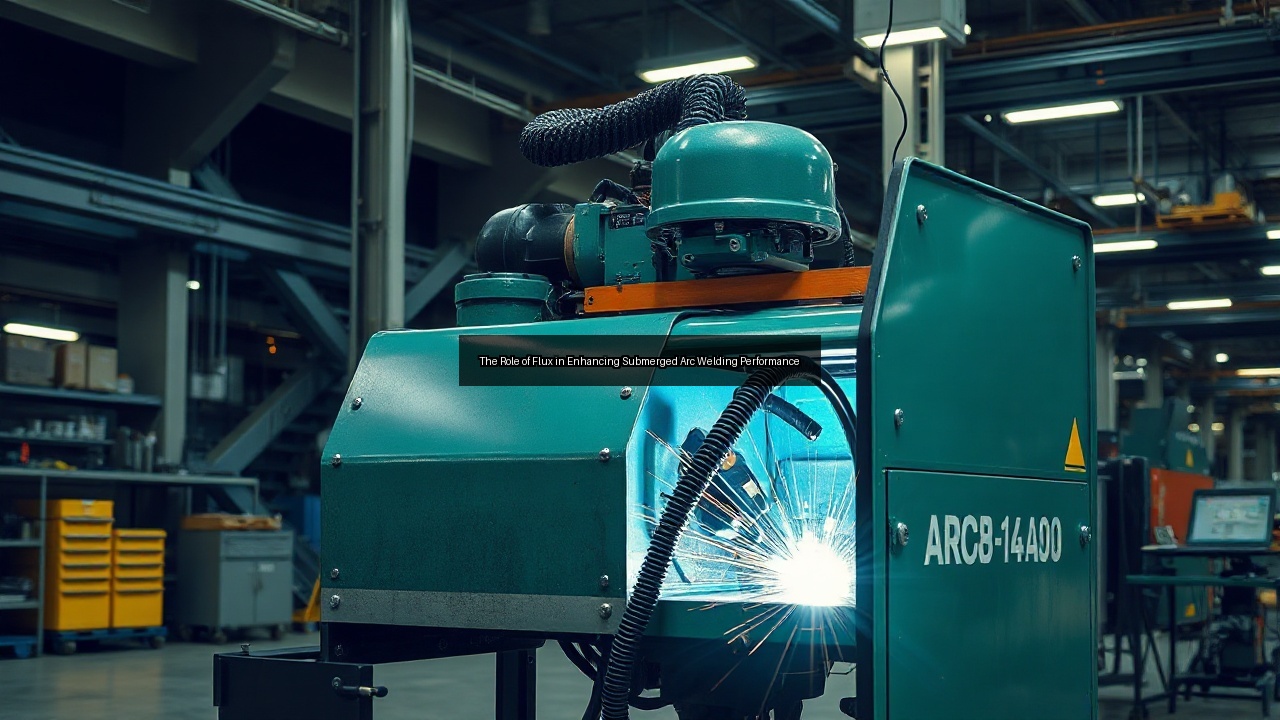
Welders turn to submerged arc welding for thick plate fabrication because the process delivers deep penetration and high deposition rates. A continuous wire electrode feeds into the joint while granular flux covers the arc completely. This blanket shields the weld pool from atmospheric contamination and stabilizes the arc. The submerged arc welding machine controls travel speed and wire feed to produce consistent beads on carbon steel and alloys. Operators often pair the setup with tractors that move steadily along long seams in pressure vessels and ship hulls. The result yields welds with excellent mechanical properties and minimal spatter. Fabricators value the process for its ability to handle heavy sections in a single pass where manual methods fall short.
Sub arc welding also reduces fumes because the flux layer traps most emissions. Welders adjust parameters on the submerged arc welding machine to match joint geometry and base metal thickness. The technique supports both AC and DC power sources, giving flexibility across different shop environments. Many facilities run multiple heads simultaneously on wide plates to boost productivity. The process excels in applications that demand repeatable quality over long distances, such as pipeline fabrication and structural girders.
Key Components of Submerged Arc Welding Machines
A submerged arc welding machine combines a power supply, wire feeder, flux delivery system, and travel carriage. The power supply delivers stable voltage and amperage suited to thick materials. Wire coils feed through drive rolls into the contact tip, while flux flows from a hopper ahead of the arc. Tractors or column-and-boom manipulators guide the assembly at precise speeds. Welders monitor meters on the machine to maintain optimal settings during extended runs. Proper grounding and cable sizing prevent voltage drops that could affect weld quality. Modern units include digital controls that store programs for different alloys and joint types.
Additional features on many submerged arc welding machines include flux recovery units that collect and recycle unused material. These components reduce waste and keep the work area clean. Electrode extensions and contact tip designs influence current density and penetration. Operators select nozzles matched to wire diameter and flux type. Integration with positioners allows circumferential welds on tanks and pipes without manual repositioning. Reliable components ensure uptime during high-volume production schedules.
The Importance of Flux in Submerged Arc Welding
Types of Flux Used in Submerged Arc Welding
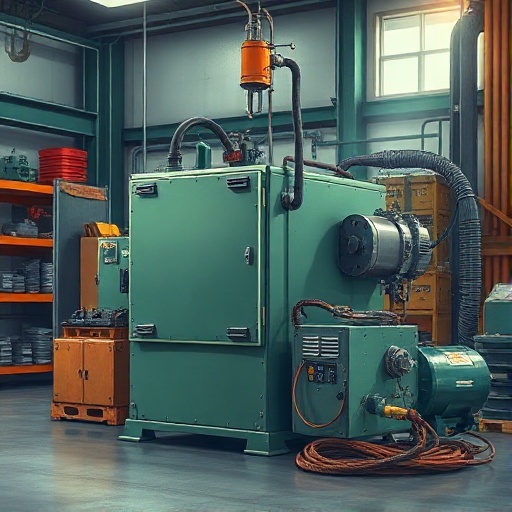
Flux comes in several forms tailored to specific welding demands. Bonded fluxes combine minerals and alloys into granules that melt at controlled temperatures. Fused fluxes offer higher density and better moisture resistance for outdoor work. Agglomerated types allow easy addition of deoxidizers and alloying elements. Welders choose basic fluxes for improved toughness on high-strength steels and acidic fluxes for smoother bead appearance. Each type interacts differently with the submerged arc welding machine settings. Neutral fluxes limit alloy pickup, while active fluxes add manganese or silicon to the weld metal. Stock selections at most suppliers cover common carbon and stainless steel applications.
Specialty fluxes handle nickel alloys and hardfacing overlays. Particle size affects arc stability and slag removal. Finer granules suit high-speed welds, while coarser grades support deeper penetration. Proper storage prevents moisture absorption that leads to porosity. Many shops maintain separate hoppers for different flux grades to avoid cross-contamination during changeovers.
How Flux Enhances Weld Quality
Flux protects the molten pool from nitrogen and oxygen, producing clean, sound welds. It shapes the bead profile and controls cooling rates that influence microstructure. Welders notice improved sidewall fusion and reduced undercut when flux chemistry matches the base metal. The blanket also dampens arc glare, allowing better visibility of the joint without dark lenses. Consistent flux coverage on the submerged arc welding machine prevents incomplete shielding that causes defects. Slag formed during cooling peels away easily, leaving smooth surfaces that require little grinding. This efficiency supports higher travel speeds without sacrificing integrity.
Flux also stabilizes the arc across voltage fluctuations common in shop power supplies. It absorbs impurities and modifies weld metal composition for better corrosion resistance. In stainless steel applications, specialized fluxes maintain chromium levels and prevent sensitization. The result is higher first-pass acceptance rates and fewer repairs. Fabricators report stronger, more ductile welds that meet stringent code requirements.
Flux Composition and Its Impact on Welding Performance
Flux formulations include lime, silica, manganese oxide, and fluorides that determine slag properties and weld metal chemistry. Higher basicity improves impact toughness at low temperatures. Additions of titanium and boron refine grain structure in critical applications. Welders track how each element transfers across the arc when setting parameters on the submerged arc welding machine. Excessive manganese can cause cracking, while balanced recipes enhance strength without brittleness. Composition directly affects weldability of alloys and the final mechanical test results.
Manufacturers tailor fluxes for specific wire combinations to achieve target tensile and yield values. Operators perform qualification welds to verify performance before production. Changes in flux chemistry can shift voltage requirements and alter bead width. Understanding these interactions helps welders optimize settings quickly when switching materials. Consistent composition from batch to batch ensures repeatable results across multiple machines.
Optimizing Welding Efficiency with Flux
Flux and Welding Machine Compatibility
Submerged arc welding machines perform best when flux flow rates match wire feed speeds. Too little flux exposes the arc, while excess creates drag and uneven beads. Welders calibrate hoppers and adjust auger speeds on the machine to maintain steady coverage. Flux recovery systems must handle the volume without clogging. Compatibility extends to power supply characteristics because certain flux types require stable voltage to avoid arc wander. Proper setup reduces downtime and improves deposition rates on long seams.
Many modern machines include sensors that monitor flux levels and alert operators before shortages occur. Matching flux particle size to nozzle design prevents bridging. Shops standardize on proven flux-machine pairings for common jobs to speed changeovers. Regular maintenance of delivery hoses and valves keeps performance consistent. These steps maximize efficiency and extend equipment life.
Adjusting Flux for Different Metals and Alloys
Carbon steel welds often use manganese-silicate fluxes for good bead shape and easy slag removal. Stainless steel requires low-carbon fluxes that avoid sensitization and maintain corrosion resistance. Welders switch formulations when moving between alloys to control dilution and achieve target chemistry. The submerged arc welding machine settings change accordingly, with voltage and travel speed tuned to the new flux behavior. Preheat and interpass temperatures also interact with flux properties on thick sections.
Alloy fluxes add elements like chromium or molybdenum directly to the weld metal. Operators test combinations on sample plates before committing to production. Adjustments prevent issues such as hot cracking in nickel alloys. Stocking multiple flux grades allows quick response to varied fabrication demands. This flexibility expands the range of materials a single submerged arc welding machine can handle effectively.
The Role of Flux in Voltage and Power Supply Management
Flux influences arc voltage because its conductivity affects the electrical path. Welders raise voltage slightly with basic fluxes to maintain arc length and penetration. The power supply on the submerged arc welding machine must deliver clean output to prevent fluctuations that destabilize the arc. Proper flux coverage reduces spatter and improves energy transfer efficiency. Operators monitor voltage meters closely during startup until the system stabilizes.
Phase balance in AC machines interacts with flux to control bead symmetry. DC setups benefit from flux that supports higher currents without excessive heat input. Fine-tuning these relationships lowers overall power consumption while maintaining weld quality. Shops track energy use per meter of weld to identify optimization opportunities. Stable voltage management extends consumable life and reduces defects.
Challenges and Solutions in Flux Usage
Common Issues Faced by Welders Using Flux
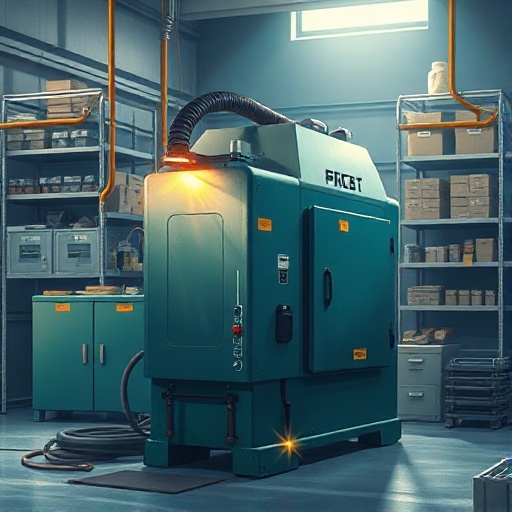
Moisture in flux causes porosity and hydrogen cracking. Welders dry flux in ovens before use and store it in sealed containers. Uneven flux distribution leads to incomplete shielding and visible defects. Regular hopper checks and flow adjustments on the submerged arc welding machine prevent this problem. Slag inclusions occur when travel speed exceeds flux melting rate. Slowing down or changing flux grade corrects the issue.
Flux dust can clog filters and affect air quality in the shop. Recovery systems with proper screening reduce airborne particles. Cross-contamination between flux types alters weld chemistry unexpectedly. Clear labeling and separate hoppers eliminate mix-ups. Addressing these challenges maintains high productivity and weld integrity.
Innovations in Flux Technology
Manufacturers now offer flux with built-in deoxidizers that tolerate minor surface contamination. Low-hydrogen formulations reduce preheat requirements on thick alloys. Some products include color indicators that show moisture levels at a glance. These advances help welders maintain quality with less preparation time. The submerged arc welding machine benefits from more forgiving flux that tolerates wider parameter windows.
Nanoparticle additions refine weld metal microstructure for improved fatigue life. Encapsulated alloys deliver precise chemistry control. Automated flux mixing stations ensure batch consistency in large operations. Such innovations expand the capabilities of existing equipment without major capital investment. Welders adopt these products to meet tighter specifications on demanding projects.
Brand Comparisons: ESAB and Other Leading Brands
ESAB supplies a broad range of fluxes matched to its submerged arc welding machines. Their formulations emphasize consistent performance across voltage ranges. Other brands focus on niche applications such as high-speed welding or exotic alloys. Welders compare slag detachability and bead appearance when evaluating options. ESAB often leads in recovery system integration that reduces material costs. Competing products may offer lower prices but require more parameter tweaking on the machine.
Selection depends on specific weld requirements and available stock. Many shops run trials with multiple brands before standardizing. ESAB technical support provides detailed application data that speeds qualification. Price differences reflect flux density and alloy content. Operators weigh these factors against deposition rates and final weld properties when choosing consumables.
Future Trends in Submerged Arc Welding and Flux Development
Emerging Technologies in Welding Equipment
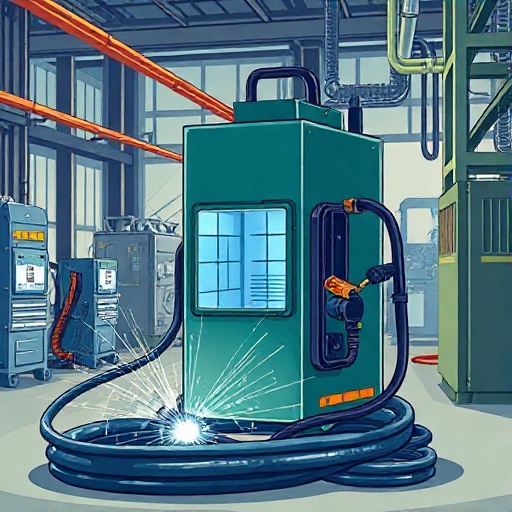
New submerged arc welding machines feature closed-loop controls that adjust flux flow based on real-time arc data. Sensors detect changes in joint fit-up and compensate automatically. Higher efficiency power supplies reduce energy draw while maintaining output stability. Welders gain from interfaces that log parameters for traceability. These advances improve consistency on automated lines producing pressure vessels and structural components.
Integration with plasma cutting systems allows complete fabrication cells. Robotic arms position the welding head precisely for complex geometries. Digital twins simulate flux behavior before actual production begins. Equipment makers continue refining designs to handle thicker materials at faster speeds. The result expands applications for sub arc welding in heavy industry.
The Role of Automation in Flux Application
Automated flux delivery systems maintain precise coverage even during high-speed tractor travel. Sensors adjust hopper output to match wire feed variations. Welders program sequences that include flux start and stop points for each joint. This reduces operator fatigue on long shifts. The submerged arc welding machine communicates with the flux system to synchronize all variables.
Robotic cells apply flux only where needed, minimizing waste. Vision systems inspect coverage before the arc strikes. Automated recovery units separate reusable granules from slag. These technologies boost throughput while improving safety by limiting manual handling. Shops adopting automation report higher uptime and lower consumable costs.
Sustainability and Eco-Friendly Flux Options
Flux producers develop recyclable formulations that lower landfill impact. Reduced-fluoride recipes decrease emissions during welding. Welders appreciate products that require less energy to manufacture and dry. The submerged arc welding machine paired with efficient flux supports greener fabrication practices. Some fluxes incorporate industrial byproducts without compromising performance.
Closed-loop recovery systems capture nearly all unused material for reuse. This cuts raw material demand and disposal expenses. Manufacturers publish environmental data to help shops meet sustainability goals. Eco-friendly options maintain weld quality on carbon steel and alloys alike. Adoption grows as regulations tighten and customers request greener supply chains.